
How can I rewild my small garden in the UK without it looking like a total mess?
I was out in my little patch the other day, squinting at a very sad-looking pot of shrivelled lavender, and I realised something. We’ve all been trying too hard, love. We want that perfect, manicured look we see on Instagram, but the bees? They’re absolutely bored to tears by it.

2026 is officially the year of the “Cottagecore Ecosystem”, which is basically a fancy way of saying we’re letting nature take the wheel, but with a bit of a savvy northwest edge. It’s about making your space—even if it’s just a balcony in Manchester or a tiny yard in Wigan—look mint while actually helping the planet. Forget stressing over weeds; we’re calling them “biodiversity” now. Here’s how I’m doing it without spending a fortune or turning my garden into an actual jungle.
1. Ditch the “Perfect Lawn” Drama
Let’s be real, keeping a lawn looking like a bowling green is a proper pain in the arse. In 2026, the “No Mow May” trend has basically turned into “No Mow… Ever?” Well, almost. The savvy way to rewild is to create “pollinator pathways”. Instead of scalping the grass, I’ve left a beautiful, curvy patch in the middle to just do its thing.

If you’re in a flat with just a balcony, don’t fret. You can achieve this with “mini-meadow” troughs. I picked up some cheap wooden planters from a charity shop in Preston, drilled some holes for drainage, and filled them with peat-free compost. It looks dead good and the butterflies are absolutely buzzing for it.
Amber’s Savvy Secrets:
Don’t buy those “all-purpose” grass seeds from the big supermarkets; they’re often full of fillers. Head to a local independent garden centre, like Beetham Nurseries near Milnthorpe, if you’re up my way. Ask for a low-growth clover mix. It stays green even when it’s dry, needs barely any mowing, and the bees think it’s a five-star hotel.
2. Regional Seeds: Lake District vs. The South Coast
This is where people usually get it wrong. You can’t just chuck any old seeds down and hope for the best. Plants are picky, just like my brother when I try to give him a veggie burger.
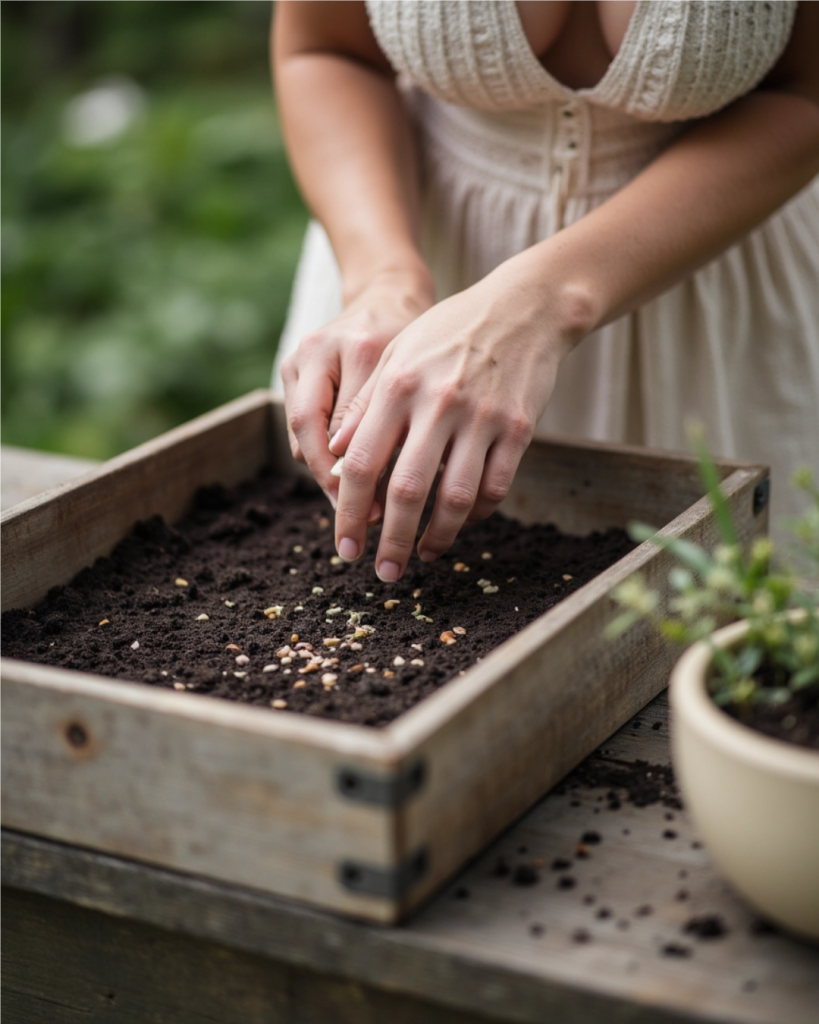
- The Lake District & Northwest: We get a fair bit of rain (understatement of the century, right?), so you want stuff that doesn’t mind a bit of a soak. Look for Yellow Rattle or Woodland Forget-Me-Nots. They thrive in our damp, cooler soil and look gorgeous when the sun finally decides to pop out.
- The South Coast: It’s much saltier and windier down there. If you’re seaside, you need “tough as boots” plants like Viper’s Bugloss or Sea Thrift. They can handle the salt spray and look proper coastal-chic.
I’ve been using a mix that includes Red Campion, which is native to the UK and grows like a dream in most Northwest gardens. It’s a dead easy way to get that Cottagecore vibe without needing a degree in botany.
Amber’s Savvy Secrets:
Want a pro tip for free seeds? Keep an eye out for Seed Swap events in your local library or community centre. I found a brilliant one in Kendal last month. People literally just give away heritage seeds for free because they’ve got too many. It’s a total result for your wallet.
3. The “Bug Hotel” but Make it Fashion
Rewilding isn’t just about plants; it’s about the creepy crawlies too. But we don’t want a pile of rotting wood looking like a tip in the corner, do we? The 2026 trend is “Architectural Habitats”.

I made a “Log Pyramid” using some old birch branches I found while hiking near Aira Force. I tucked them into a corner of my flower bed and planted some Ivy around the base. It looks like a deliberate piece of garden art, but it’s actually a luxury apartment for ladybirds and solitary bees.
If you’re tight on space, even a small bunch of hollow bamboo canes tied together with some jute twine and hung on a fence does the job. It’s about being smart with what you’ve got.
Amber’s Savvy Secrets:
Don’t bother buying those expensive pre-made bug hotels from the posh garden centres. They’re often “too clean” and bugs won’t actually use them. A pile of old stones, a few broken terracotta pots (we’ve all got ’em), and some dry leaves is much more “authentic” to a beetle. Plus, it costs absolutely naught.
4. Water Features for the “Tiny Garden”
You don’t need a massive pond to attract frogs and dragonflies. In fact, large ponds can be a right faff to maintain. The “off-the-beaten-path” landmark I always think of when I want water inspiration is Lodore Falls, but obviously, I can’t fit a waterfall in my yard!

Instead, I’ve gone for a “container pond”. I used an old galvanised steel bucket I found at a flea market in Ormskirk. I put some gravel at the bottom, added a couple of oxygenating plants, and a “landing stone” for birds to drink from. It’s mint because it takes up about two square feet of space but adds so much life to the garden. Just make sure there’s a little ramp (a few stacked bricks work) so if a hedgehog falls in, he can climb back out. Poor little fellas.
Amber’s Savvy Secrets:
If you’re worried about mosquitoes in your mini-pond, make sure you have some movement in the water or plenty of oxygenating plants like Hornwort. Also, never fill your pond with tap water! Our UK tap water has too many chemicals. Use a water butt to collect rainwater, or if you’re desperate, let a bucket of tap water sit out for 24 hours before adding it to the pond.
5. Vertical Rewilding: Climbing Your Way to Paradise
If you’ve only got a balcony or a tiny courtyard, the only way is up, love. 2026 is all about “Living Walls” that actually produce something. Instead of just pretty flowers, I’m growing Honeysuckle and Clematis Vitalba (Old Man’s Beard).
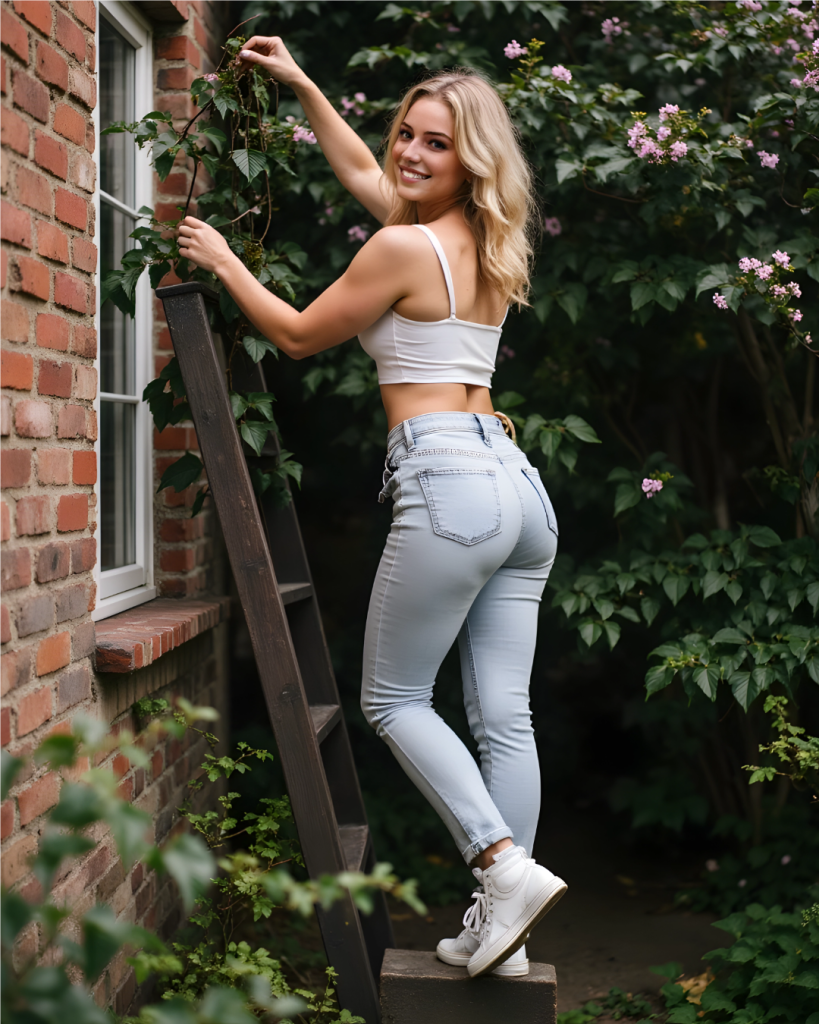
They smell incredible on a summer evening—proper dreamy—and they provide nesting spots for birds. I’ve also tucked some wild strawberries into the bottom of my vertical planters. They’re tiny, but they taste ten times better than the watery ones you get in the supermarket.
The trick is to use the vertical space to create “layers”. It makes a small garden feel much bigger and more private, which is a result if your neighbours are a bit nosy like mine!
Amber’s Savvy Secrets:
When buying climbers, check the label for “Single Flowered” varieties. The fancy “Double Flowered” ones look lush, but bees can’t actually get to the pollen. It’s like trying to get a drink at a bar when it’s ten people deep, dead frustrating! Stick to the simple, open flowers to keep your local ecosystem happy.
Parting Hug
Rewilding doesn’t have to be a massive project that leaves you skint and exhausted. It’s about making small, savvy choices that let nature back in. Whether you’re planting a single pot of wildflowers or letting a corner of your lawn go wild, you’re making a difference.
I’m proper chuffed with how my little patch is coming along this year. It’s not perfect, but it’s alive, and that’s way more “Cottagecore” than a plastic lawn any day.
What’s one wild plant you’ve noticed popping up in your local area lately that you actually kind of love? Let me know in the comments, gorgeous!